
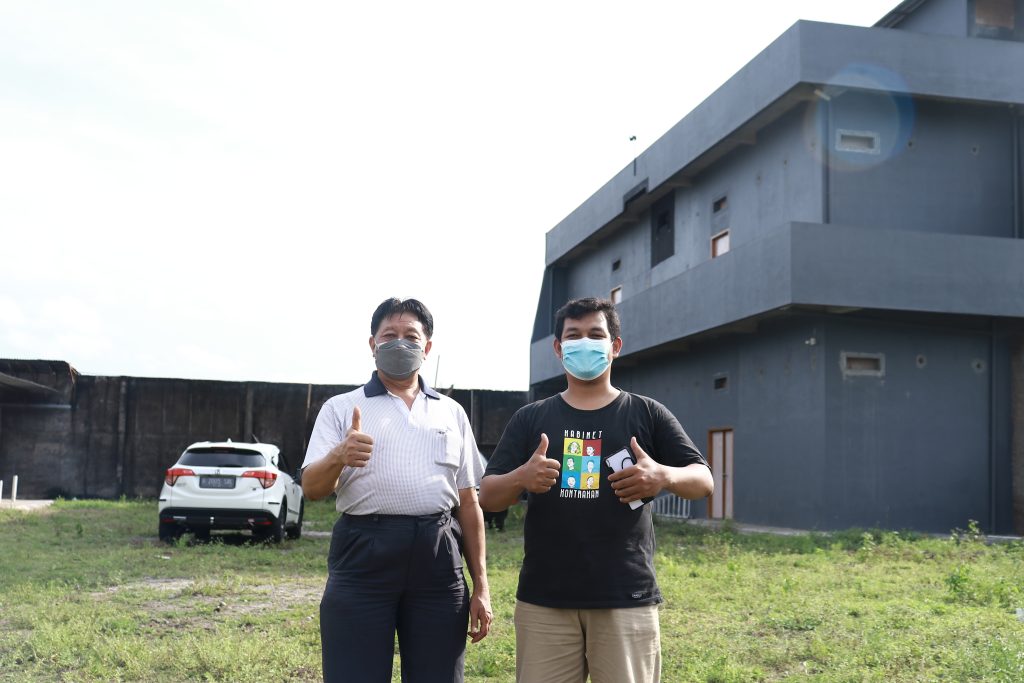
What is a Swiftlet House?
“Swiflet House” is a building specifically designed to attract and accommodate swiftlet birds. The swiftlet is a small bird that produces nests which are commonly consumed as food. Swiftlet houses are typically constructed from materials such as wood, bamboo, and cement, and are equipped with various specialized features such as good ventilation, appropriate humidity, and nesting areas which meet the needs of swiftlet birds. The nests produced by swiftlets in swiftlet houses are then harvested and sold as high-value products in the global market.
“Concrete Walet House?”
There are various types of materials that can be used to build a swiftlet house, including concrete. There are several advantages of choosing concrete as a construction material, including its longer durability and ease of maintenance. However, building a concrete swiftlet house usually requires a higher cost and is more difficult to adjust to the specific needs of swiftlets.
What are the steps to build a concrete swiftlet house?
To build a concrete swallow house, the first step is to design a suitable and appropriate structure that meets the needs of the birds. The design must take into account sufficient ventilation, appropriate humidity, and suitable nesting size. After the design is approved, concrete is mixed with sand, gravel, and cement and printed into the appropriate shape for the swiftlet house design. Afterwards, a concrete swiftlet house can be installed and adjusted to the needs of the swiftlets, such as determining the location of the nests and entry path.
What are the Benefits of Swiftlet Houses Made of Concrete?
Some advantages of building a swiftlet house using concrete are as follows:.
- Long-lasting: Concrete swiftlet houses are more durable than those made of other materials such as wood or bamboo because concrete is not easily damaged by weather or insect attacks.
- Easy to maintain: Concrete has the property of being easy to maintain and does not require special care like other materials such as wood or bamboo.
- More stable: Concrete swiftlet houses are more stable and sturdy compared to swiftlet houses made from other materials, making them more resistant to vibrations and natural disasters.
- Cleanliness: Concrete possesses the characteristic of being easily cleaned, which can facilitate the process of maintaining cleanliness within a swiftlet house.
- Safer: Due to its fire-resistant nature, concrete swiftlet houses are safer and less vulnerable to the dangers of fire.
- Improved Temperature and Humidity Control: Concrete swiftlet houses can be designed with efficient ventilation and insulation systems, allowing for optimal control of temperature and humidity levels inside the house to meet the needs of the swiftlets.
What are the disadvantages of using concrete in building Swiftlet houses?
Despite having several advantages, building a concrete swiftlet house also has some disadvantages, including:.
- Higher Cost: Constructing a swiftlet house using concrete typically incurs a higher cost compared to other building materials such as wood or bamboo.
- Not Flexible: Concrete swiftlet houses tend to be inflexible and difficult to modify or adjust if there are specific needs for swiftlets.
- Berat: Concrete is heavier compared to other construction materials, hence requiring stronger planning and construction to support the heavier weight.
- Less natural: Concrete swiftlet houses may not look as natural or blend in with their surrounding environment as wooden or bamboo swiftlet houses.
- Availability of Materials: Acquiring the necessary materials to make a concrete birdhouse may be difficult depending on the location and supply availability of materials in the area.