
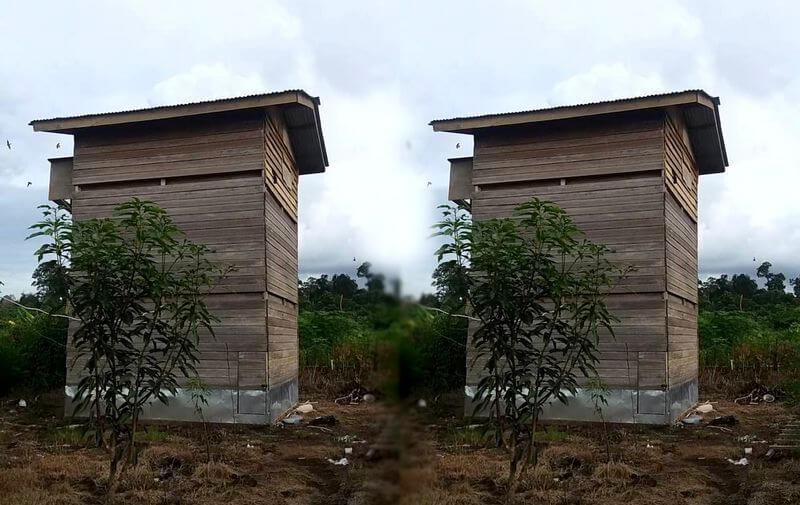
What is a Swiftlet House?
A swiftlet house is a structure specifically designed to attract and house swiftlets – small, insect-eating birds that make their nests almost entirely out of saliva. These bird nests, known as “bird’s nest soup,” are highly prized in traditional Chinese medicine and can command very high prices. Swiftlet houses are typically made from materials such as cement, wood, and steel, and are designed to create a dark and humid environment that is attractive to the birds. They often feature specialized entryways, called “bird holes,” that allow the swiftlets to enter and build their nests. Swiftlet houses are typically located in areas where swiftlets are known to roost, such as caves or areas near harbors, and can range in size from small, single-unit houses to large, multi-unit buildings.
Swiftlet birds have high economic value, therefore they require specialized places to make their nests. The specific location is called a swiftlet house, which is typically made from natural materials such as clay or cement. A swiftlet house serves the purpose of creating an ideal environment for swiftlets to live and reproduce effectively. Swallow houses typically have small holes as the entryways for swallows to enter and exit their nests. Swallow houses are generally built for the purpose of breeding and commercial use.
Wooden Swiftlet House?.
Wooden swiftlet houses are a type of swiftlet house that is made from wood. Wooden swiftlet houses are typically constructed using high-quality wood materials that are resistant to weather and pest attacks. Crafting a wooden swiftlet house requires special skills and expertise as it involves calculating a sturdy construction that meets the needs of the swiftlet birds. Wooden swiftlet houses can provide good economic benefits as wood has a high market value and is appreciated by the market. In addition, wooden swallow houses also provide high aesthetic value due to their natural and beautiful appearance. However, it is important to note that the construction of wooden swiftlet houses should consider sustainability aspects and preserve the environment to avoid damaging the surrounding ecosystem.
What are the advantages of wooden swallow houses?.
Wooden swiftlet houses have several advantages, including:.
- Natural and Beautiful Appearance: A Wooden Swallow House Provides a High Natural and Aesthetic Impression because Wood has Unique and Fascinating Patterns. Wooden swiftlet houses can also be customized with various desired designs, thus enhancing the aesthetic value of the building.
- Durable and strong: When making a swiftlet house, wood is typically chosen from a type of wood that is strong and resistant to weather and pests. This makes wooden swiftlet houses able to last for a long time and not easily damaged.
- Good air quality: Wood has natural properties that can improve indoor air quality. Wood is capable of absorbing moisture and emitting oxygen, thus creating a healthy and comfortable environment for swiftlets.
- Good potential for economic profit: Wood is a material that has a high market value and is valued by the market. The production of wooden swallow houses can provide a good economic benefit for swallow bird farmers or entrepreneurs who sell swallow nests.
- Environmentally Friendly: Making wooden swiftlet houses can be done by considering sustainability aspects and preserving the environment. Wood is a natural material that can be recycled without damaging the surrounding ecosystem.
What are the deficiencies of a wooden swiftlet house?.
Despite having some advantages, wooden swallow houses also have some disadvantages, including:.
- A more expensive price: The price of wood used for making wooden swiftlet houses is usually more expensive compared to other materials such as cement or clay. This can increase the cost of building a wooden swallow house.
- More Challenging Maintenance: Wood Requires Special Care to Endure Over Time. Wood needs to be protected from pest attacks or adverse weather conditions such as excessive rain and sunlight exposure. Poor treatment can cause wood to deteriorate quickly and shorten the lifespan of a swiftlet house.
- Susceptibility to fire: Wood has the property of being easily ignited and burning quickly. “If a fire occurs around a wooden swiftlet house, it will be more difficult to extinguish the flames and may endanger the swiftlet birds living inside.”.
- Influencing Natural Ecosystems: The production of wooden swallow houses can also have an impact on the natural ecosystem, particularly if the wood used comes from unsustainably managed forests. Excessive logging can harm the environment and disrupt the habitat of other species in the surrounding forest area.